In modern electronic equipment and industrial applications, tinned wire is widely used due to its excellent conductivity and corrosion resistance.
- +86-18798897097
- 403595@qq.com
- Golden Industrial Park, Nanfeng County, Fuzhou City, Jiangxi Province


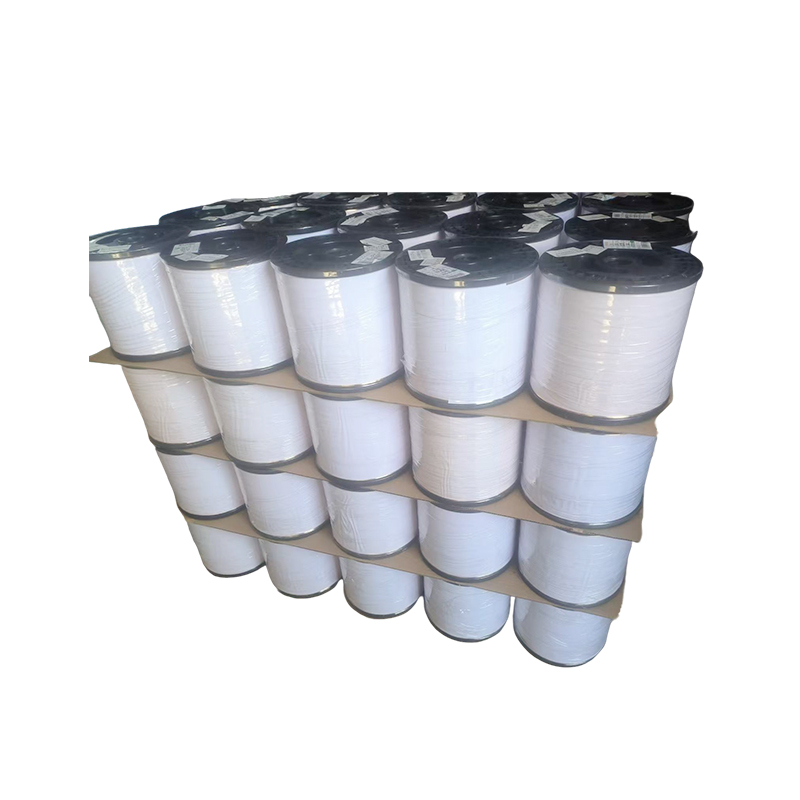
In modern electronic equipment and industrial applications, tinned wire is widely used due to its excellent conductivity and corrosion resistance.
In the electronics, power, and communications fields, tinned wire is widely used due to its excellent conductivity and solderability. However, in high humidity or salt spray environments, moisture and salt in the air accelerate the electrochemical reactio
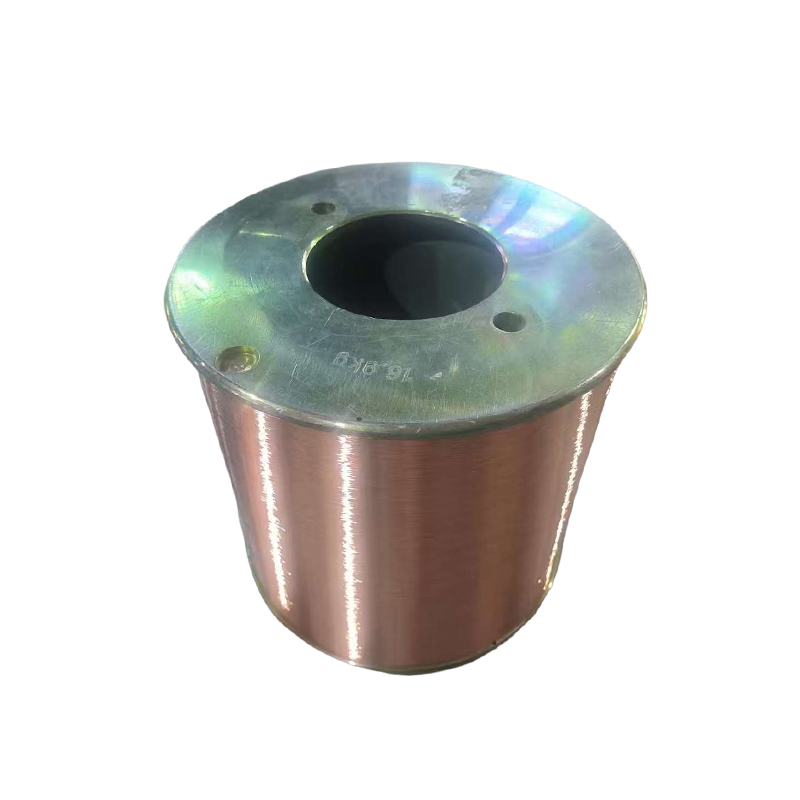
In power transmission and electrical connection systems, bare copper wire is widely used due to its excellent conductivity and good ductility. However, because it lacks an insulating protective layer, it is highly susceptible to scratches, indentations, o
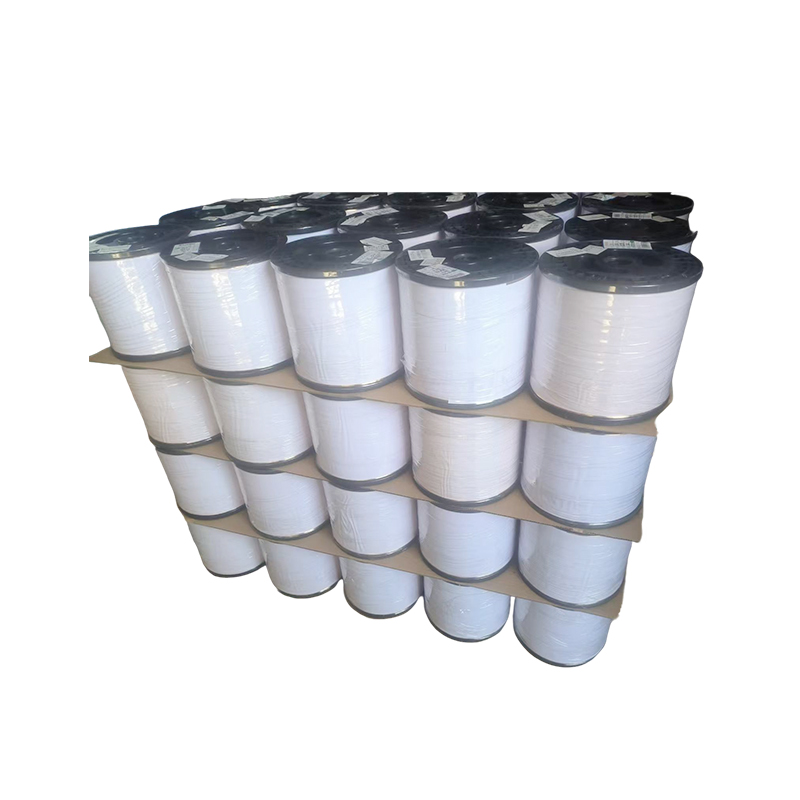
In the vast network of modern industrial systems, countless tiny components work together to maintain the operation of society. Among them, tinned wire, a seemingly ordinary yet crucial metal product, plays a dual role of connection and protection.
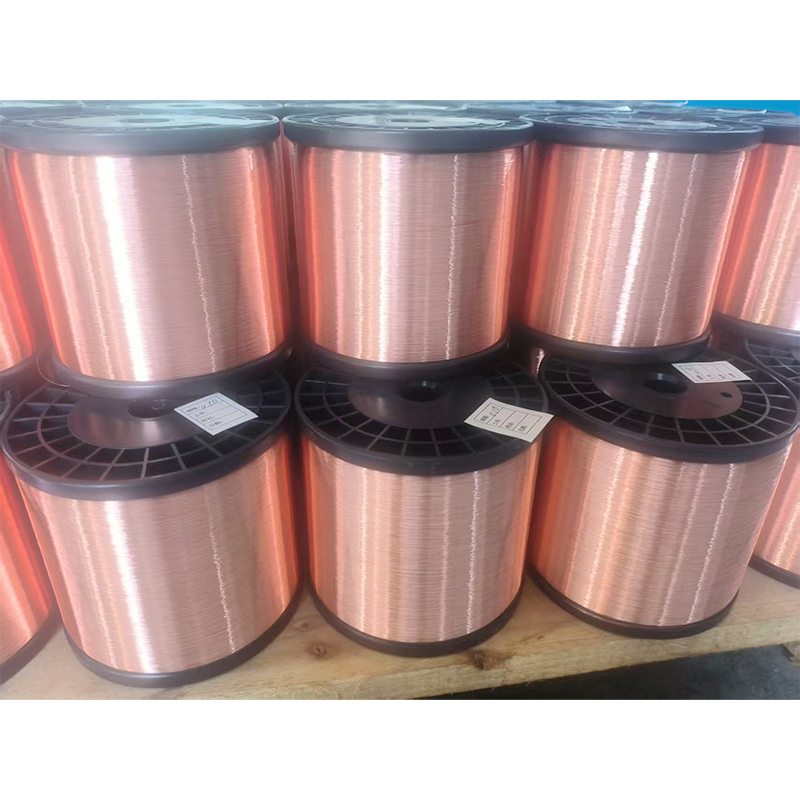
During the annealing process, the change in conductivity of bare copper wire is closely related to the control of temperature and time.
The emergence of tinned wire is like dressing this lifeblood in a layer of "golden armor." With its superior solderability, it not only solves production pain points but also becomes an indispensable partner in automated soldering processes, ensuring the