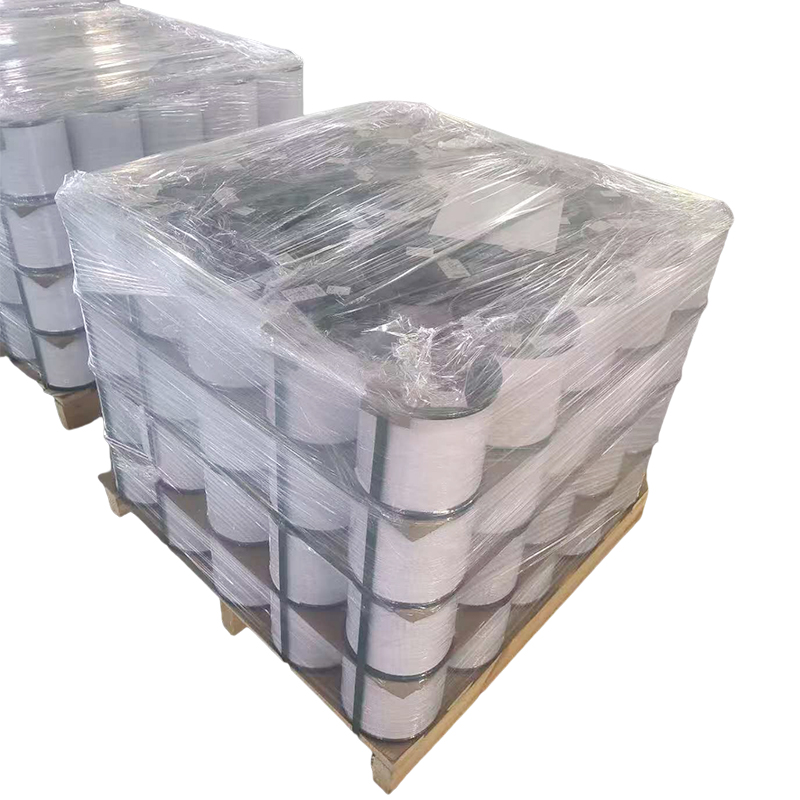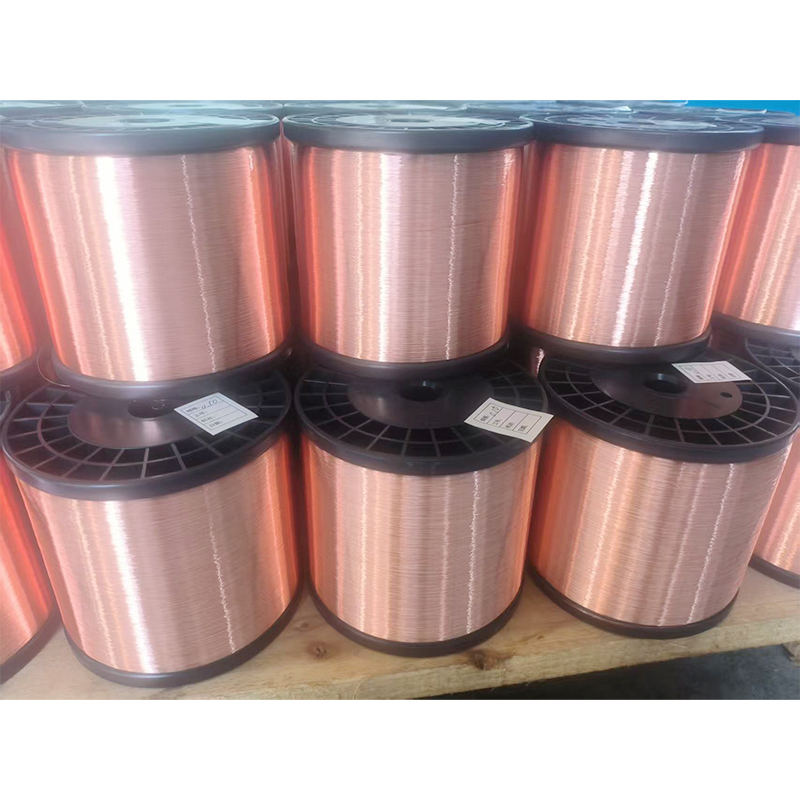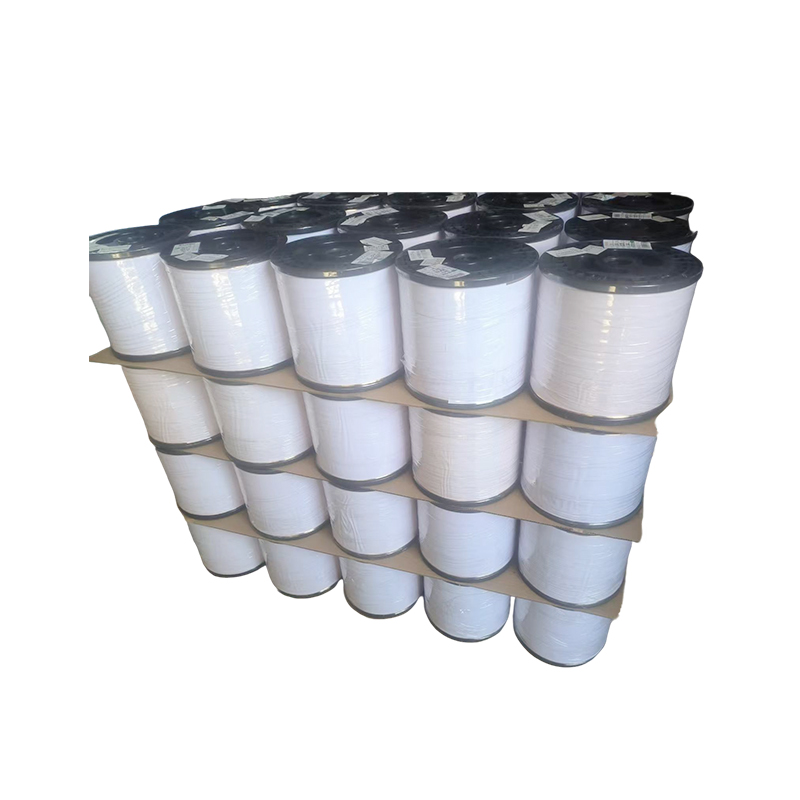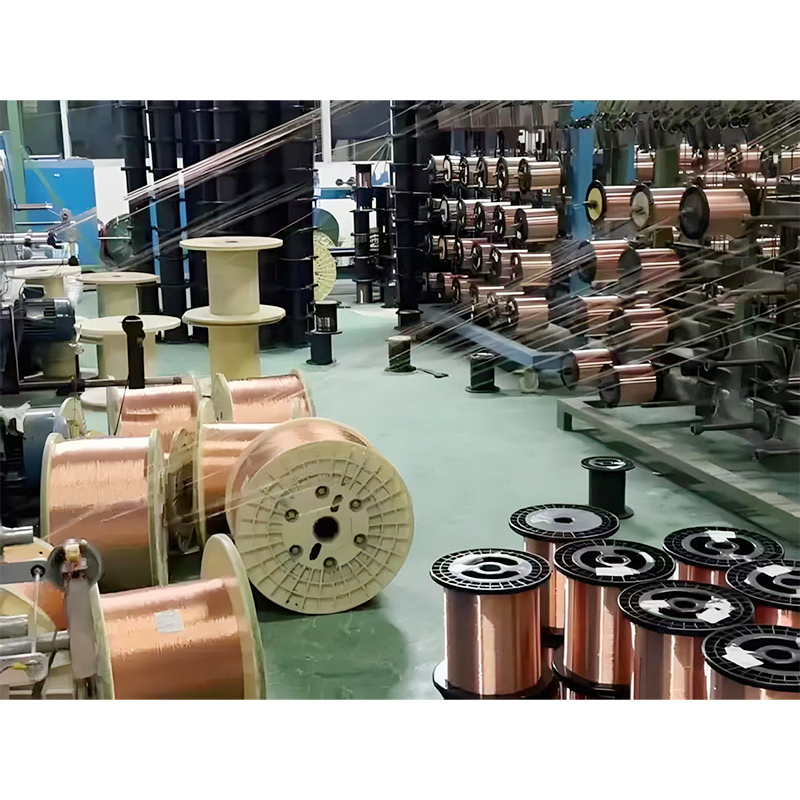

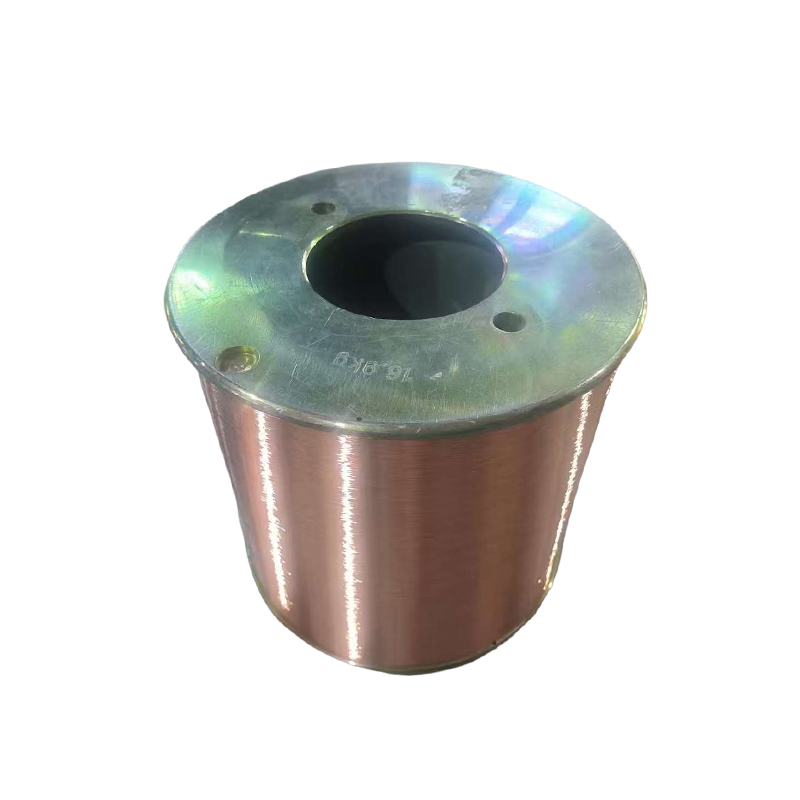
In electrical engineering, handicrafts, and even modern art installations, bare copper wire is highly favored for its superior physical and electrical properties.
In applications such as power transmission, electrical connections, grounding systems, and industrial busbars, bare copper wire, as a high-conductivity metal conductor without an insulation layer, has long undertaken the critical tasks of carrying high cu
These corrosion products not only cause discoloration and loss of metallic luster on the copper wire surface but also significantly increase contact resistance, reduce solderability, and even cause circuit failure. To solve this problem, tinned wires have
In modern electronic and electrical systems, stable current transmission is fundamental to the normal operation of equipment. As the "blood vessels" for transmitting electrical energy and signals, the choice of conductor material is crucial.
As a fundamental conductive and structural material, bare copper wire occupies an important position in many demanding applications due to its excellent physical and mechanical properties.
Tin plating is a crucial surface treatment process for metal products. Tinned wire not only significantly improves the corrosion resistance, weldability, and conductivity of the metal substrate but also enhances its appearance and processing compatibility