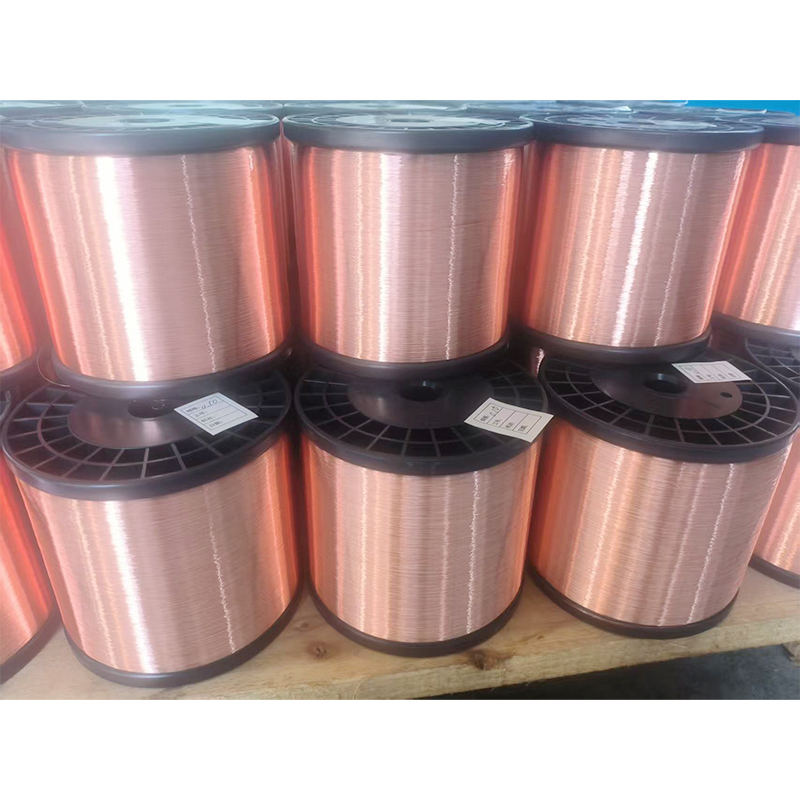

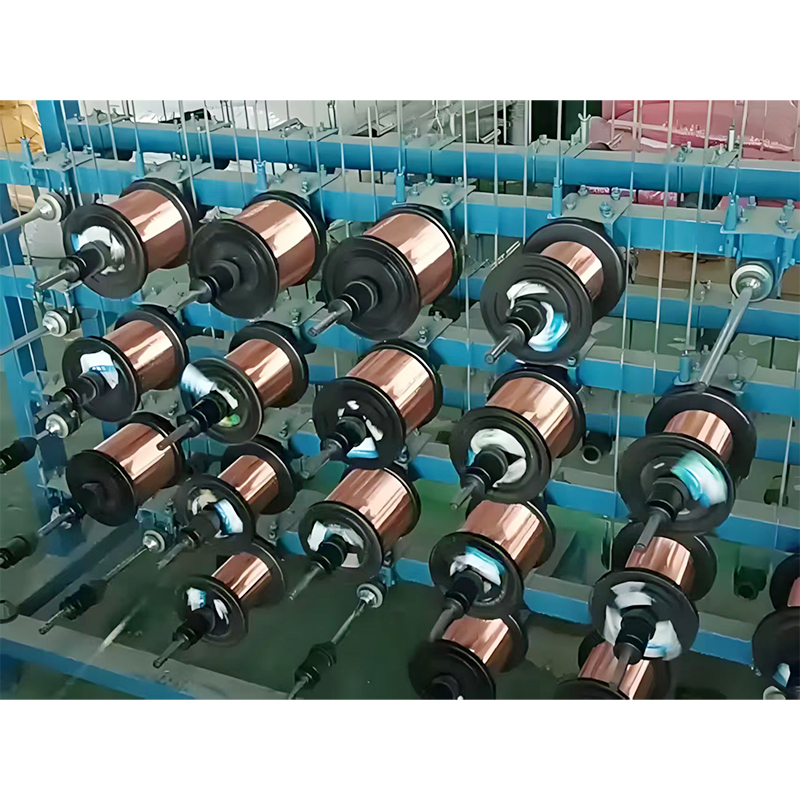
Bare copper wire—pure copper metal wire without insulation—has long held a leading position in high-efficiency power transmission due to its superior physical and electrical properties.
In the fields of electronics manufacturing and electrical connections, tinned wire is widely used in critical components such as windings, terminal leads, and component interconnects due to its excellent solderability, conductivity, and cost-effectiveness
Against this backdrop, bare copper wire, as a common metallic conductor, exhibits unique advantages in high-frequency applications, effectively reducing signal loss.
In the vast fields of electronics manufacturing, power transmission, and precision assembly, wires are not only channels for current but also the cornerstone of stable system operation.
In power transmission, electronic manufacturing, motor windings, and industrial equipment, the choice of conductor material directly determines system efficiency, safety, and reliability.
Tinned wire, seemingly ordinary, is an indispensable "invisible link" in modern electrical connections. With a thin layer of tin, it solves multiple challenges such as oxidation, wetting, corrosion, and process compatibility, making metal-to-metal connect